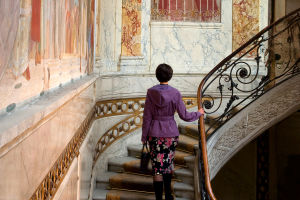
Walk into a well-designed library and you feel it immediately. Your shoulders drop. Your pace slows. You instinctively lower your voice, even before you see a sign.
That reaction isn't accidental. Good library design quietly shapes how people behave, focus, and connect with knowledge. It's not about making a space look impressive—it's about making it work for real people.
Start With How People Actually Use the Space
A library isn't one activity. They are many happening at the same time.
1. Different users, different needs: Some people come to study alone, others to browse, and some to meet or work together.
2. Avoid one-size layouts: Placing all tables, shelves, and seats in one open area creates conflict between quiet and active use.
3. Actionable planning step: Before designing, list three main user behaviors you expect: silent reading, group discussion, and casual browsing. Assign each a clear zone so they don't compete for space. This supports Better focus, Lower friction, and Longer visits. Design works best when it follows behavior, not assumptions.
Make Navigation Effortless
If people feel lost, they won't relax.
1. Clear sightlines: Visitors should understand the space within seconds of entering.
2. Logical flow: Shelves, desks, and rooms should follow an intuitive order.
3. Actionable layout tip: Stand at the entrance and ask: Can someone see where to go for help, where to sit, and where books are stored? If not, adjust furniture or signage until the answers feel obvious. Good navigation reduces mental load.
Balance Quiet and Connection
Silence matters, but isolation isn't the goal.
1. Layered sound zones: Not every area needs to be silent. Soft conversation zones can exist alongside quiet ones.
2. Use materials to manage sound: Carpet, fabric panels, and bookshelves absorb noise naturally.
3. Actionable zoning idea: Place collaborative tables near entrances and deeper quiet areas farther inside. This creates Sound control, Clear expectations, and Fewer conflicts without heavy rules. Design can guide behavior without signs everywhere.
Light Is More Important Than You Think
Lighting affects focus, comfort, and mood.
1. Natural light boosts comfort: Windows make long study sessions feel less tiring.
2. Task lighting supports reading: Overhead lights alone are rarely enough.
3. Actionable lighting upgrade: Add adjustable desk lamps in study areas and keep general lighting soft. This allows users to control their own comfort and reduces eye strain. Good light helps people stay longer without fatigue.
Furniture Should Invite, Not Intimidate
People won't use spaces that feel stiff or uncomfortable.
1. Variety matters: Not everyone wants the same type of chair or table.
2. Comfort supports focus: Hard seating shortens attention spans.
3. Actionable furniture mix: Offer chairs with back support, shared tables, and a few softer seating options. This creates Physical comfort, User choice, and Flexible use across the day.
Comfort isn't a luxury—it's functional.
Shelves Are Part of the Design
Book storage isn't just storage. It shapes movement.
1. Shelf height affects openness: Very tall shelves can feel heavy and closed in.
2. Spacing affects browsing: Tight aisles discourage exploration.
3. Actionable shelving tip: Use lower shelves near windows or entrances and taller ones deeper inside. This keeps the space feeling open while maximizing capacity. Shelves guide both eyes and feet.
Design for Long Stays, Not Quick Stops
Libraries work best when people feel welcome to stay.
1. Access to power: Charging points are essential for modern users.
2. Small comforts matter: Hooks for bags, water fountains, and clear rest areas make a difference.
3. Actionable comfort check: Spend two hours in the space yourself. Note every moment of discomfort or interruption, then adjust design elements to remove those friction points. This supports Longer focus, Higher satisfaction, and Repeat visits. Design improves when tested through real use.
Let the Space Reflect Its Community
A library shouldn't feel generic.
1. Local character builds connection: Artwork, displays, or reading areas can reflect local interests.
2. Flexible areas allow change: Spaces that adapt stay relevant longer.
3. Actionable identity step: Create one flexible display or seating area that can change seasonally or by theme. This keeps the library feeling alive rather than static. People care more about spaces that feel personal.
A well-designed library doesn't announce itself. It quietly earns trust. When layout, light, sound, and comfort work together, people don't just come to read—they come to think, pause, and return. That's when a library becomes more than a building. It becomes part of daily life.