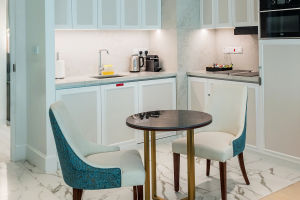
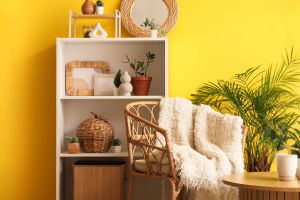
Morning light slipping across a pale wooden floor can make even a small room feel peaceful. There's no clutter fighting for attention, no heavy colors pulling the mood down—just quiet space, soft texture, and a sense that everything belongs exactly where it is.
This feeling sits at the heart of Scandinavian style design, a way of shaping interiors that focuses on comfort, simplicity, and everyday living rather than display. What makes this approach special is how practical it is.
You don't need a large home or expensive furniture to create the atmosphere. A few thoughtful decisions about light, materials, and layout can completely shift how a space feels the moment you walk in.
Light as the foundation of the room
In northern regions where winter days are short, interiors are designed to capture and reflect every bit of natural brightness. That priority shapes nearly every design choice.
Pale walls that reflect daylight
Soft whites and gentle neutrals bounce light around the room, making spaces appear larger and calmer without adding visual noise.
Minimal window coverings
Sheer fabric or simple shades allow sunlight to enter freely while still offering privacy when needed.
Layered warm lighting at night
Table lamps, floor lamps, and small wall lights create a gentle glow that replaces harsh ceiling brightness.
Actionable example: Turn off your main overhead light for one evening and rely only on two or three warm lamps placed at different heights. Notice how the room immediately feels calmer and more welcoming.
Furniture that values function first
Scandinavian interiors avoid decoration that serves no purpose. Every piece of furniture is expected to be useful, comfortable, and visually quiet.
Clean lines and simple shapes
Straight edges, smooth curves, and low profiles keep rooms from feeling crowded or heavy.
Comfort designed for daily life
Sofas are made for long sitting, chairs support relaxed posture, and tables are sized for real use rather than display.
Quality over quantity
A single well-crafted chair often replaces several decorative items, reducing clutter while improving durability.
Actionable example: Remove one unnecessary piece of furniture from your living area for a week. The extra space often improves movement and makes remaining pieces feel more intentional.
Natural materials that bring warmth
Because the color palette stays restrained, texture becomes essential. Wood, fabric, and handmade surfaces add life without overwhelming simplicity.
Light-toned wood surfaces
Floors, tables, and shelving in pale timber create warmth while keeping the room bright.
Soft textiles for comfort
Wool throws, linen cushions, and woven rugs introduce gentle variation that invites touch and relaxation.
Subtle contrast through texture
Mixing smooth ceramic with rough fabric or matte wood prevents the design from feeling flat.
Actionable example: Add one natural-fiber throw to a chair or sofa. Even a small textile change can soften the entire visual mood of the room.
Color used with quiet intention
Bright tones aren't forbidden, but they appear carefully and sparingly. The goal is emotional balance rather than visual excitement.
Neutral base palette
Whites, soft grays, and muted earth tones create a calm background that supports relaxation.
Small accents of deeper color
A single dark cushion, artwork piece, or ceramic object adds focus without disrupting harmony.
Seasonal flexibility
Because the base stays neutral, accents can change easily throughout the year without redesigning the whole space.
Actionable example: Try limiting decorative colors in one room to just two shades plus neutrals. This simple rule often creates an instantly more cohesive look.
Clutter-free spaces that support calm living
Perhaps the most powerful element of Scandinavian design is restraint. Empty space isn't seen as missing decoration—it's seen as breathing room for the mind.
Intentional storage solutions
Hidden cabinets, simple shelving, and organized drawers keep everyday items accessible but out of sight.
Meaningful decoration only
Objects are chosen for personal value or daily usefulness, not just to fill space.
Room to move and think
Open floor areas and clear surfaces create a sense of mental quiet that busy environments often lack.
Actionable example: Clear one tabletop completely and leave it empty for several days. The visual rest can feel surprisingly refreshing, almost like opening a window inside the room.
Scandinavian style design isn't about copying a specific look. It's about choosing calm over chaos, comfort over display, and light over heaviness. These choices slowly shape how a home supports everyday life—how mornings begin, how evenings wind down, and how easily you can breathe in your own space.
Even the smallest change, like moving a lamp or removing a single unnecessary object, can start that transformation. And once a room begins to feel lighter and quieter, it's hard to want anything else.