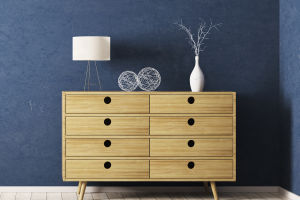
Walking into a room with plain, empty walls can feel cold and unfinished.
A well-chosen piece of wall art can make a space feel alive, warm, and personal.
But picking the right pieces isn't just about grabbing what looks pretty—it's about scale, style, and the mood you want to create. With a few thoughtful decisions, you can turn any blank wall into a statement that reflects your personality and enhances your room.
1. Decide the Purpose of Your Wall Art
Create a focal point
Add color or texture
Express personality
Start by asking yourself what you want the art to do. Should it draw attention, complement existing colors, or showcase your personal interests? Different purposes require different approaches.
For a living room, a large, bold piece above a sofa can anchor the space and act as a conversation starter.
In a bedroom, soothing prints or landscapes can set a relaxing tone.
Hallways or narrow spaces work well with a series of smaller, cohesive artworks to create visual rhythm.
Actionable tip:
Take photos of your walls and mark the spots where you imagine art. This visual planning helps you gauge scale and impact before buying anything.
2. Choose the Right Size and Scale
Proportion to the wall
Balance with furniture
Visual weight
The size of the art matters more than many realize. Too small, and it feels lost; too big, and it overwhelms the space.
A general rule is to select a piece that covers about 60–75% of the wall area above furniture like sofas or sideboards.
If grouping multiple pieces, treat them as a single visual block. Keep consistent spacing—typically 5–10 cm between frames.
Consider the height of your ceiling. Taller walls can handle larger or taller pieces, while shorter walls need more compact options.
Actionable tip:
Cut paper or cardboard to the dimensions of the artwork and tape it to the wall. Step back and see if the scale feels right before purchasing.
3. Match Style and Color Palette
Complement existing decor
Contrast for impact
Maintain cohesion
The style of your wall art should harmonize with the room's design. Consider both colors and mood.
Modern or minimalist spaces benefit from abstract or geometric pieces in neutral or bold colors.
Cozy, traditional rooms pair well with landscapes, florals, or classic prints.
Use accent colors from your furniture or accessories to tie the art into the overall palette.
Actionable tip:
Select one or two dominant colors from your room and look for art that echoes those tones. This keeps the wall visually connected to the space.
4. Plan Your Layout and Arrangement
Single statement piece
Gallery wall
Symmetry vs. asymmetry
How you arrange your artwork impacts the room's flow. Different layouts serve different purposes.
A single, large piece works as a bold focal point above a sofa or bed.
Gallery walls are ideal for collecting smaller artworks, photos, or prints—keep a unifying element like frame color or matting for cohesion.
Symmetrical arrangements feel formal and balanced, while asymmetrical layouts create a playful, dynamic effect.
Actionable tip:
Lay pieces on the floor first to test arrangements. Move them around until the composition feels visually balanced before committing to nails or hooks.
5. Consider Frames and Finishing Touches
Frame style
Matting and borders
Lighting effects
Frames do more than protect art—they enhance its style and integrate it into the room. Choose frames and finishing touches carefully.
Sleek, thin frames suit modern prints, while ornate frames enhance traditional pieces.
Matting adds space around the art, letting it breathe and appear larger.
Lighting, like picture lights or adjustable spotlights, can emphasize colors and details, making the art pop.
Actionable tip:
Use adjustable wall-mounted lighting or LED picture lights to highlight your artwork. Even a single soft light can make colors richer and create depth.
Empty walls are opportunities to express creativity, reinforce your room's style, and inject personality into your home. By deciding the purpose, sizing correctly, matching colors, planning arrangements, and selecting the right frames, your wall art can transform any room from bland to vibrant. Thoughtful choices make your space feel finished, inviting, and truly yours—a daily reminder of beauty and inspiration every time you walk in.