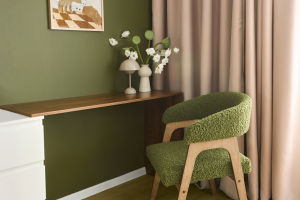
Choosing and styling furniture for your home can feel overwhelming. With endless options and different styles, it's easy to get stuck on what will work best for your space.
But it doesn't have to be complicated! Let's break it down and make the process fun and approachable.
1. Know Your Space
The first step in selecting furniture is understanding your space. Before rushing to any store or browsing online, take a moment to consider the layout and size of the room.
Measure your space: Use a tape measure to map out the room. Measure wall-to-wall, and keep in mind doorways, windows, and any obstacles like radiators or low-hanging lights.
Plan for flow: Think about how the room is used. Do you want an open, airy feel, or do you prefer cozy, defined spaces? For example, in a living room, you might want the furniture to encourage conversation by placing chairs and sofas facing each other, with enough room to move around.
By measuring and visualizing the layout before making any purchases, you'll avoid overcrowding or underfilling the space.
2. Define Your Style
Every piece of furniture you buy should contribute to a cohesive aesthetic. To ensure everything works together, start by defining the style you want for the room.
Classic and timeless: Think of rich wood furniture, neutral tones, and sturdy materials. A vintage-inspired living room might feature dark leather sofas, wooden coffee tables, and a traditional rug.
Modern and minimalistic: If you prefer sleek lines and less clutter, opt for neutral colors like whites, blacks, or greys. Clean-lined metal and glass pieces often fit well in this design.
Consider creating a mood board using Pinterest or magazines to visualize the vibe you want. The goal is to have a unified look, where each item enhances the other.
3. Prioritize Functionality
Furniture isn't just about looks—it's about how well it serves your needs. Make sure every piece serves a purpose in the space.
Storage: For smaller rooms, storage can be a game changer. Look for furniture like ottomans that double as hidden storage or bookshelves with built-in drawers.
Durability: If you have kids or pets, opt for materials that are easy to clean. Leather or slipcovers on sofas are a great choice, and for tables, go with scratch-resistant surfaces.
Functionality should always take precedence over style, especially in high-use areas like the living room or kitchen.
4. Mix and Match Textures
To bring your space to life, combine different textures. Mixing materials like wood, metal, and fabric can create an exciting and dynamic look.
Soft and hard textures: Pair a plush velvet sofa with a sleek wooden coffee table. This contrast between soft and hard creates a balanced, sophisticated look.
Use rugs and throws: These can easily change the feel of a room. A shaggy rug paired with a leather chair or a chunky knit throw on a minimalist sofa will introduce warmth and comfort.
Textures not only add interest but also make a room feel more inviting.
5. Focus on Quality over Quantity
It's tempting to fill your space with as many furniture pieces as possible, but quality should always come before quantity. A few well-chosen, high-quality items will have a much stronger impact than a room crammed with mismatched, low-cost furniture.
Invest in key pieces: Prioritize furniture that you use daily, like your bed, sofa, or dining table. These items should be sturdy and built to last.
Mix affordable with high-end pieces: Not everything in the room needs to be high-end. You can combine a statement piece (like a designer chair) with more budget-friendly items like lamps, side tables, or cushions.
Choosing pieces that you truly love and that have longevity will save you money in the long run.
6. Don't Forget the Details
Finally, the details are what tie the room together. Accent pieces like lamps, pillows, and artwork can transform a space from ordinary to extraordinary.
Layer with accessories: Think about adding layered textures with cushions, throws, and decorative items like vases or books.
Lighting matters: Good lighting can make or break a room. Invest in floor or table lamps that match your style. Accent lighting can highlight your favorite pieces and create a cozy atmosphere.
Details can elevate your space and make it feel uniquely yours. Remember, it's these personal touches that really make the room come to life.
By following these tips, you'll be able to choose and style furniture that enhances your space, makes it functional, and reflects your personality. Instead of feeling stressed, enjoy the process and watch as your space transforms into something you'll love.