Have you ever walked through a meadow on a warm summer night and seen tiny sparks floating in the air? Fireflies, or lightning bugs, have long captured our imagination.
Their silent flashes feel like whispers of magic, yet each glow carries a scientific purpose. These creatures remind us how beauty and biology can work hand in hand.
Why Fireflies Glow
The glow of a firefly is more than decoration—it's communication. Inside their abdomens, a chemical reaction takes place between luciferin, oxygen, and the enzyme luciferase. The result is bioluminescence, a cold light that doesn't waste energy as heat. Each species of firefly has its own flashing pattern, like a secret code. Males use specific rhythms to signal, and females respond if they recognize the pattern. What looks like a dance of lights is actually a carefully orchestrated conversation.
A Courtship in the Dark
Those twinkling flashes are mostly about romance. Male fireflies fly low, sending out signals. If a female resting in the grass is interested, she flashes back. This back-and-forth creates a glowing dialogue that leads to mating. In some areas, whole groups of fireflies synchronize their flashes. Imagine hundreds of insects lighting up at the same moment—it's one of nature's most striking displays, turning forests and fields into living lanterns.
Survival Strategies
Beyond attracting mates, the glow serves another purpose: defense. Many fireflies taste bitter or even toxic to predators. Their light acts as a warning, a natural “stay away” sign. Some clever species even mimic the signals of others to lure unsuspecting mates closer, only to prey on them. This mix of beauty and trickery shows how evolution shapes behavior in surprising ways.
The Role in Ecosystems
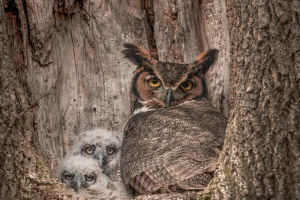
Fireflies aren't just for show—they play important roles in their environments. As larvae, they feed on snails, slugs, and worms, helping control populations that could otherwise damage plants. Mature fireflies, though they live only a few weeks, become part of the food web themselves. Owls, bats, and frogs may eat them despite their warnings. In this way, fireflies connect different layers of the ecosystem, proving that even small sparks contribute to the larger balance of life.
Why Their Numbers Are Falling
Sadly, the glow of summer nights is fading in many places. Habitat loss, light pollution, and pesticide use all threaten fireflies. Bright city lights can confuse their signals, making it harder for them to find mates. Fields and wetlands where they once thrived are disappearing. Without protection, future generations may never know the wonder of seeing a meadow come alive with lights.
How to Help Fireflies
If you've ever wanted to keep summer nights magical, there are ways to support fireflies:
1. Reduce outdoor lighting – Turn off unnecessary lights to keep skies dark and signals clear.
2. Protect habitats – Leave wild patches in gardens, with tall grass and damp soil where larvae can thrive.
3. Avoid chemicals – Pesticides harm not just pests but also delicate insects like fireflies.
Simple actions can make a real difference, giving these glowing insects a chance to thrive.
More Than Just a Glow
Watching fireflies is more than entertainment—it's a reminder of connection. Their lights speak of survival, romance, and ecological balance. Each flicker carries millions of years of evolutionary history. On a summer evening, standing among their sparks, you can feel both wonder and responsibility.
The next time you see fireflies, pause for a moment. Notice how their tiny flashes light up the dark, weaving beauty into biology. Protecting them means protecting a piece of summer magic, one that belongs not just to us but to every generation yet to walk through a meadow at night.