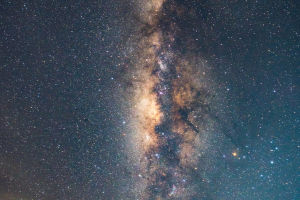
Lykkers, have you ever looked up at the night sky, spotted a streak of light racing across the darkness, and felt your heart skip a beat?
That fleeting glow—a shooting star—always feels special, as if the universe paused for us to dream.
Yet behind this beautiful flash lies both a scientific story and an emotional one. When we make a wish upon a shooting star, what do we truly see, and what does that moment mean to us?
The Real Face of a Shooting Star
A shooting star isn’t a star at all—it’s a tiny piece of cosmic debris, usually fragments of comets or asteroids, drifting through space. When one of these fragments enters Earth’s atmosphere at tremendous speed—sometimes faster than 40 miles per second—it encounters friction so intense that it burns and glows brightly. What we see as a shooting star is that very moment of fiery descent.
Most meteors disintegrate completely before reaching the ground, creating a streak of light that lasts only a few seconds. In those seconds, we witness an extraordinary meeting between our planet and the cosmos. It’s a dramatic end for the meteor, but a breathtaking beginning for our imagination.
The Magic of the Moment
Even when we know the science, the wonder doesn’t disappear. There’s something deeply emotional about watching a meteor glide across the night sky. It’s sudden, delicate, and gone almost before we can react—just like the most precious moments in our lives.
When we whisper a wish, we’re not really asking the sky for favors. We’re reminding ourselves to believe in possibility. That glowing streak becomes a silent partner in our dreams, giving us permission to hope again. Maybe that’s why the simple act of wishing on a meteor feels so timeless—it turns science into something beautifully human.
Meanings Across the World
Throughout history, different cultures have found meaning in shooting stars. The ancient Greeks believed they were sparks falling from the heavens. In medieval Europe, people thought they were souls traveling through the sky. Across many parts of the world today, they remain symbols of hope, luck, and new beginnings.
No matter the legend, the feeling is the same. When we see a shooting star, we instinctively stop, look up, and smile. For that brief moment, we feel small yet connected to something vast and infinite. It’s not about superstition—it’s about awe.
What Science Can’t Explain
Science can measure a meteor’s speed, heat, and composition, but it can’t capture the emotion it sparks in us. The light we see is physical, but the feeling it brings is something deeper. It’s the same sense of wonder we felt as children looking at the stars for the first time—a quiet reminder that there’s still mystery left in the universe.
Even scientists admit that meteor showers hold a unique charm. Beneath the data and equations, they too look up and feel the same spark of excitement. Because no matter how much we understand the universe, we never stop being amazed by it.
Seeing with the Heart
When we wish upon a shooting star, we’re not just seeing with our eyes—we’re seeing with our hearts. That small streak of light reminds us to dream, to hope, and to keep moving forward. Its brilliance fades quickly, but the warmth it leaves within us stays.
So next time we see one, let’s wish for courage, kindness, or clarity—not just for luck. Let’s remember that the real magic isn’t in the meteor itself, but in our ability to find meaning in its passing light.
Catch the Spark!
So, Lykkers, when you wish on a shooting star, what do you truly see? Maybe it’s not just a light in the sky—but a reflection of your own dreams. Each meteor reminds us that even the briefest moment can carry endless meaning.
Let’s keep looking up and believing that the universe still has surprises for us. And the next time a streak of light cuts across the night, take a breath, make your wish, and let that spark remind you—hope shines brightest in the dark.