A room can feel complete yet still missing something subtle—until a plant is placed in the right corner.
Suddenly, the space feels alive. Light interacts differently, textures soften, and the entire atmosphere shifts. Choosing the right indoor plants isn't just about decoration; it's about creating balance between structure and nature.
Start With Light Conditions
Before selecting any plant, observe how light moves through your space. This determines what will actually thrive.
• Bright, indirect light: Suitable for most leafy plants.
• Low light corners: Require more tolerant species.
• Direct sunlight: Ideal for sun-loving varieties.
Matching plant needs to existing conditions prevents constant maintenance issues.
Low-Maintenance Favorites
If you want greenery without constant attention, start with resilient plants that adapt easily.
1. Snake Plant: Upright leaves, minimal watering, works well in low light
2. Pothos: Trailing vines, fast growth, adaptable to various environments
3. ZZ Plan:t Glossy leaves, highly drought-tolerant
These plants are ideal for beginners or busy households.
Statement Plants for Impact
Some plants act as focal points, shaping the entire room.
• Fiddle Leaf Fig: Large leaves, strong vertical presence
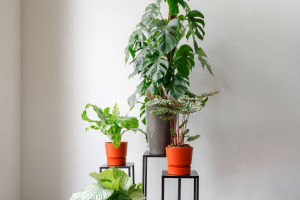
• Monstera: Split leaves, bold tropical feel
• Bird of Paradise: Tall structure, architectural look
Place these in corners or near windows where they have space to grow visually.
Compact Plants for Small Spaces
Not every room can handle large greenery. Smaller plants still provide strong visual value.
1. Succulents: Perfect for desks and shelves
2. Peace Lily: Adds soft white blooms and clean lines
3. Calathea: Patterned leaves create texture
These work well in apartments or limited spaces.
Placement Strategies That Work
Where you place plants matters as much as which ones you choose.
1.Floor corners: Ideal for tall plants
2. Shelves: Trailing plants add movement
3. Tabletops: Compact plants provide subtle detail
4. Window edges: Maximize light exposure
Avoid clustering too many plants in one spot—spacing helps each one stand out.
Choosing the Right Containers
Pots and containers influence both style and plant health.
• Neutral ceramic pots blend with most interiors
• Textured finishes add depth
• Proper drainage prevents root issues
Choose containers that match your room's overall tone rather than competing with it.
Care Basics That Make a Difference
Even low-maintenance plants need consistent care.
• Water based on soil dryness, not a fixed schedule
• Rotate plants occasionally for even growth
• Wipe leaves to keep them clean and healthy
Small habits can significantly extend plant lifespan.
A Living Element in Your Space
Indoor plants do more than decorate—they shift how a room feels. They introduce movement, soften rigid lines, and create a sense of calm without effort.
The right plant, placed in the right spot, doesn't just fill space. It transforms it quietly, making the room feel complete in a way that furniture alone never can.