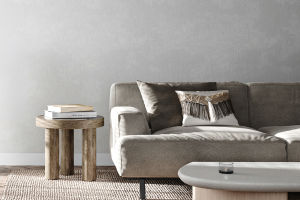
A sofa may look perfect in a showroom, but daily life is the real test. Spills, dust, pet hair, and frequent sitting all reveal how easy a material is to maintain.
If you want a sofa that stays neat without constant effort, the best choices are usually leather, microfiber, and performance fabrics.
These materials are often recommended because they are durable, stain-resistant, and simpler to clean than delicate natural fabrics.
The key is not only how a sofa looks on day one, but how it behaves after repeated use. A low-maintenance sofa should let you wipe, vacuum, or spot-clean quickly without damaging the surface. That is why tightly woven synthetics and treated materials tend to outperform softer but more fragile options.
Leather Cleans Fast
Leather is one of the easiest materials to manage because spills usually stay on the surface instead of soaking in right away. A damp cloth is often enough for everyday cleaning, and regular wiping keeps dust from building up. It also holds up well over time, which makes it a strong choice for busy homes.
There are trade-offs, of course. Leather can show scratches and may need conditioner to keep it from drying out. Still, if your main goal is simple upkeep, it is one of the most practical options because it combines durability with fast cleaning.
Microfiber Handles Messes
Microfiber is another top choice for easy care. Its tight weave helps resist stains and keeps liquid from sinking in too quickly, which gives you time to clean spills before they settle. It also feels soft and comfortable, so you do not have to give up comfort for convenience.
A microfiber sofa usually does well with vacuuming and light spot cleaning. For many households, that balance is ideal: it looks casual and inviting, but it does not demand complicated cleaning routines. If you want something friendly for everyday use, microfiber is one of the safest bets.
Performance Fabrics Offer Protection
Performance fabrics are designed for busy spaces. They are often made from polyester blends or other synthetic fibers that resist stains, wrinkles, and fading better than many natural fabrics. Many brands market them as family-friendly or easy-care because they are built to handle frequent use.
This category is especially useful if your sofa sits in a high-traffic room. Performance upholstery usually responds well to mild soap, water, and regular vacuuming, and some versions come with removable covers for even easier care. If you want a fabric sofa but still want low effort, this is the most modern solution.
What Needs More Care
Some materials are attractive but less practical. Linen can wrinkle easily and may stain more quickly, while silk is delicate and usually needs professional care. Cotton can be comfortable, but it is not as resistant to soiling or creasing unless it is blended with stronger fibers. These fabrics can work in formal or low-use rooms, but they are not the easiest to maintain.
If you want a sofa that stays neat with minimal work, it helps to avoid fabrics that absorb spills quickly or show marks too easily. The more delicate the weave, the more attention it usually needs. That is why many people who want convenience lean toward leather, microfiber, or performance upholstery instead.
Make Maintenance Easier
1. Choose leather if you want the fastest wipe-clean surface.
2. Choose microfiber if you want stain resistance and softness.
3. Choose performance fabric if you want a balanced all-around option.
4. Avoid delicate fabrics if the sofa will be used every day.
You can also make any sofa easier to maintain by vacuuming weekly, blotting spills quickly, and using removable covers when possible. Small habits matter because they keep dirt from becoming a bigger problem. Even the best material lasts longer when it is cleaned regularly and gently.
In the end, the easiest sofa material depends on your lifestyle, but leather, microfiber, and performance fabric stand out for a reason. They combine durability, simple cleaning, and day-to-day practicality in a way that keeps the sofa looking good without extra stress.