If you’re looking for a plant that cleans the air, stays green all year round, and even helps with simple skincare like washing your face, aloe is a perfect choice.
Growing aloe at home is not just beautiful but also practical.
We’ve discovered that with a few simple tricks, aloe can grow fast, become bushy, sprout plenty of baby plants, and even bloom within a year. If you’ve ever struggled with slow-growing aloe, you’ll find these tips surprisingly easy to follow.
Changing Soil at the Right Time
One of the key steps to keeping aloe healthy is replacing its soil regularly. We’ve seen cases where aloe has been in the same container for a year, only to find the soil hardened and almost rock-like. When this happens, the roots can’t absorb nutrients properly, and growth slows dramatically. To avoid this, we change the potting soil in time. Using a mix of nutrient-rich soil, leaf compost, or peat moss works best. Fresh soil rejuvenates the plant, helping the roots spread and absorb more nutrients.
Watering Smartly
Aloe is naturally drought-tolerant, which makes watering easier than with most houseplants. The key we follow is not to overwater. We wait until the soil is quite dry before giving it a thorough watering. Surprisingly, aloe often grows better when watered a little less frequently. Over-caring or constant watering can actually slow its growth. Keeping a light, occasional watering routine lets the plant thrive without risking root rot.
Bringing Aloe Outdoors
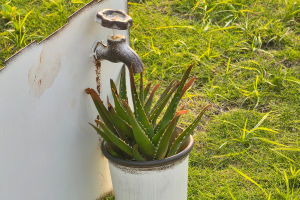
Here’s a simple secret that we’ve found incredibly effective: occasionally placing aloe on a balcony, windowsill, or in the open air can dramatically improve its growth. Aloe grows much better outdoors than indoors, and there’s a clear reason why.
The Power of Sunlight
Aloe loves sunlight. Plants that stay behind glass indoors don’t get enough light for strong photosynthesis, so they grow slower. Outdoors, aloe receives full, natural sunlight, which boosts its energy, helping leaves grow thicker, stronger, and more vibrant. Even a few hours a day outside can make a noticeable difference in growth.
Fresh Air Helps Aloe Thrive
It’s not just sunlight that matters. We’ve noticed aloe responds very well to fresh, moving air. Indoor air is often still, but outdoor environments allow for better ventilation. This constant air circulation helps the plant grow sturdier and healthier, strengthening leaves and promoting overall vitality.
Temperature Differences Encourage Growth
Outdoor temperature variations also contribute to stronger growth. Indoor conditions are often too stable, which slows development. Outside, aloe experiences small fluctuations in temperature, which helps it adapt and grow more vigorously. We’ve observed that these changes promote not just leaf growth but also the sprouting of new baby plants, allowing a single aloe to fill an entire container in a short time.
When to Keep Aloe Outdoors
We usually move aloe outdoors except during extreme conditions. Summer heat is fine, but during autumn and winter, we bring it inside if temperatures drop too low, frost forms, or snow falls. Continuous rainy or cloudy days are also a good reason to keep aloe protected indoors. At other times, outdoor placement can be maintained easily. With this simple routine, aloe grows tall, full, and bushy, and may even produce beautiful flowers.
Enjoy the Fruits of Our Care
By following these steps—timely repotting, smart watering, and periodic outdoor exposure—we’ve managed to cultivate aloe that thrives like never before. Watching new baby plants appear and flowers bloom is incredibly satisfying. We’ve learned that caring for aloe doesn’t require constant attention, just smart, regular habits that let the plant flourish naturally.
Lykkers, if you follow these tips, you can enjoy a home full of lush aloe, all grown in just a year. It’s simple, effective, and surprisingly fun to see how quickly a plant can transform with the right care.