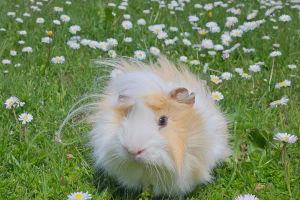
Welcome, Lykkers! When you picture a cavy, you probably imagine nonstop movement—tiny paws racing across bedding, soft squeaks, and a curious nose buried in hay.
These lively little companions seem busy almost all day, leaving many first-time keepers wondering if they ever truly sleep.
The answer may surprise you: cavies do sleep, but usually in short naps rather than long stretches. Instead of sleeping for hours at once, they rest lightly throughout the day and night while staying alert to their surroundings.
Why Cavies Sleep Differently From Other Small Pets
Cavies, scientifically known as Cavia porcellus, need regular rest to stay healthy, regulate energy, and support digestion. Yet they rarely settle into long, uninterrupted sleep. Instead, most cavies rest for a combined total of around four to six hours daily through many short periods scattered across day and night.
A new owner might expect behavior similar to hamsters or gerbils, which often retreat into nests for extended sleep sessions. Cavies behave differently because of their evolutionary background. In natural environments, survival depended on remaining alert. As prey animals, they had to react quickly to movement, unfamiliar sounds, or approaching danger.
Because of this, long and deep sleep could become risky. Short naps allow them to recharge while staying attentive to nearby activity. Even in a peaceful household, these instincts remain deeply rooted. You may notice your cavy pausing briefly beneath a hideout, resting quietly for ten or twenty minutes, and then suddenly returning to nibbling hay as if nothing happened. That rhythm is entirely normal.
Are Cavies Nocturnal?
Many people assume cavies stay awake at night and sleep during the day, but reality is more complicated. Cavies are often described as crepuscular, meaning they tend to become more active around dawn and dusk. However, observations of domestic pets show activity spread across the full 24-hour cycle.
Instead of following one strict schedule, they move between eating, resting, grooming, and exploring throughout the day. Their strongest activity periods commonly happen during lower light conditions. Dim surroundings offer better visibility while helping them feel less exposed, a behavior connected to avoiding predators in the wild.
Interestingly, some household cavies gradually adjust to routines around them. If a home becomes quiet at night and lively in the morning, pets may begin syncing portions of their activity to those patterns. Still, most continue taking scattered naps instead of following a predictable bedtime.
Where Cavies Feel Safe Enough to Sleep
Security matters more to cavies than comfort alone. In natural habitats, wild relatives often rest inside abandoned burrows or protected hiding places rather than exposed ground. Domestic cavies still seek enclosed spaces where they feel hidden. If your pet constantly naps behind a tunnel, inside a hut, or under fabric, it is acting on instinct rather than being shy.
Simple shelters often work best. A sturdy cardboard box with openings can function as a temporary hiding space, although heavy chewing usually means replacement becomes necessary. More durable hideouts made from pet-safe wood, fleece-lined materials, or non-toxic plastic can create a stable sleeping spot.
Placement also matters. A cage positioned beside loud televisions, barking dogs, slamming doors, or constant foot traffic may interrupt rest repeatedly. Cavies are sensitive listeners, and sudden sounds can make them remain alert even when tired. Quiet corners with soft lighting usually encourage calmer behavior.
Do Cavies Really Sleep With Their Eyes Open?
Yes, sometimes they do, and it surprises nearly everyone. A cavy may appear fully awake while actually resting. Sleeping with partially open or completely open eyes is linked to vigilance. Even while resting, these animals remain aware of movement nearby. Over time, trust changes behavior.
Cavies that feel secure in their environment often begin relaxing more deeply. Some stretch out, tuck themselves beside a trusted companion, or gently close their eyes during rest. When a cavy sleeps with closed eyes, many owners consider it a subtle sign of comfort and confidence rather than something dramatic. It often means the animal feels protected enough to lower its guard.
Helping a Cavy Rest More Comfortably
Healthy sleep depends heavily on environment. Fresh hay, stable temperatures, clean bedding, and quiet surroundings all influence how comfortably a cavy settles down. Soft fleece pads or small fabric corners can provide cozy places to rest, though materials should always remain clean and safe from loose threads.
Companionship also matters. Cavies are social animals, and bonded pairs sometimes nap beside one another, creating reassurance through familiarity. Still, personalities differ, so sleeping habits vary between individuals. If nighttime noise becomes an issue, avoid overstimulating the enclosure before bed.
Lightweight toys or secure accessories usually work better than rattling objects that shift loudly across bedding. Rather than forcing silence, the goal is reducing unnecessary disruption.
Cavies may not curl up for long dramatic sleep sessions, but their tiny naps tell a fascinating story about instinct and adaptation. Every brief pause, hidden tunnel rest, or sleepy half-open eye reflects habits shaped by generations of staying safe while staying active.