Watering a garden may seem like one of the simplest gardening tasks, but the time of day can affect how efficiently plants use that water. Pouring water onto dry soil at midday, for example, is different from watering during the cooler parts of the day.
Choosing the right timing can help reduce unnecessary moisture loss while giving water a better chance to reach the area around plant roots. A few changes to the watering routine can make garden care more effective without making it more complicated.
Morning Is Usually the Best Choice
For most gardens, early morning is an excellent time to water. Temperatures are generally cooler than later in the day, and sunlight has not yet reached its strongest point. This gives water more time to soak into the soil before heat increases evaporation.
Morning watering can also help plants begin the day with adequate moisture around their roots. This can be especially useful during periods of warm or dry weather when soil may lose moisture quickly.
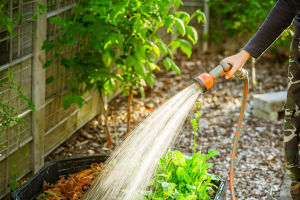
The goal is to water the soil thoroughly rather than simply wetting the leaves. Applying water close to the base of plants directs moisture toward the root area, where it is most useful.
Why Midday Watering Is Less Efficient
Watering during the hottest part of the day is not always harmful, but it can be less efficient. Strong sunlight and higher temperatures can cause water on exposed surfaces to evaporate more quickly.
If the soil is already very dry, waiting until the next morning may not be appropriate. Plants showing clear signs of water stress may need attention regardless of the hour. The practical lesson is not to avoid midday watering at all costs. Instead, make morning watering the normal routine and respond promptly when plants genuinely need moisture.
What About Evening Watering?
Evening can be another reasonable option when morning watering is not possible. Cooler temperatures can reduce rapid evaporation, allowing water to remain available in the soil for longer.
However, watering late in the day can leave plant foliage damp for an extended period. For this reason, directing water toward the soil is preferable to repeatedly spraying the leaves. A soaker hose, drip system, or carefully aimed watering can help deliver moisture close to the roots while keeping much of the foliage dry.
Water the Soil, Not Just the Surface
Timing matters, but watering technique matters too. A quick splash over the surface may make the garden look wet without providing enough moisture deeper in the soil. Apply water slowly enough that it can soak into the ground rather than running away. The amount required depends on the plant, soil type, container size, weather, and growing conditions.
Containers Need Extra Attention
Plants growing in pots and planter boxes can dry out faster than plants growing directly in the ground. Containers have a limited amount of soil, so their moisture supply can change more quickly. Check container plants regularly, particularly during hot or windy weather. Make sure excess water can drain through the container rather than remaining around the roots.
Weather Should Guide Your Routine
A fixed watering schedule does not always work because garden conditions change. Rain may provide enough moisture for several days, while a period of heat or dry weather can increase the need for water.
After rainfall, check the soil before watering again. During cooler or cloudy periods, plants may lose moisture more slowly. In hot, dry conditions, the garden may need closer observation.
For most gardens, early morning is the most practical time to water because cooler conditions give water more opportunity to soak into the soil before evaporation increases. A thoughtful watering routine can make garden care simpler while helping plants receive moisture more efficiently.